The Imperfection Is the Product
Client: Timelounge
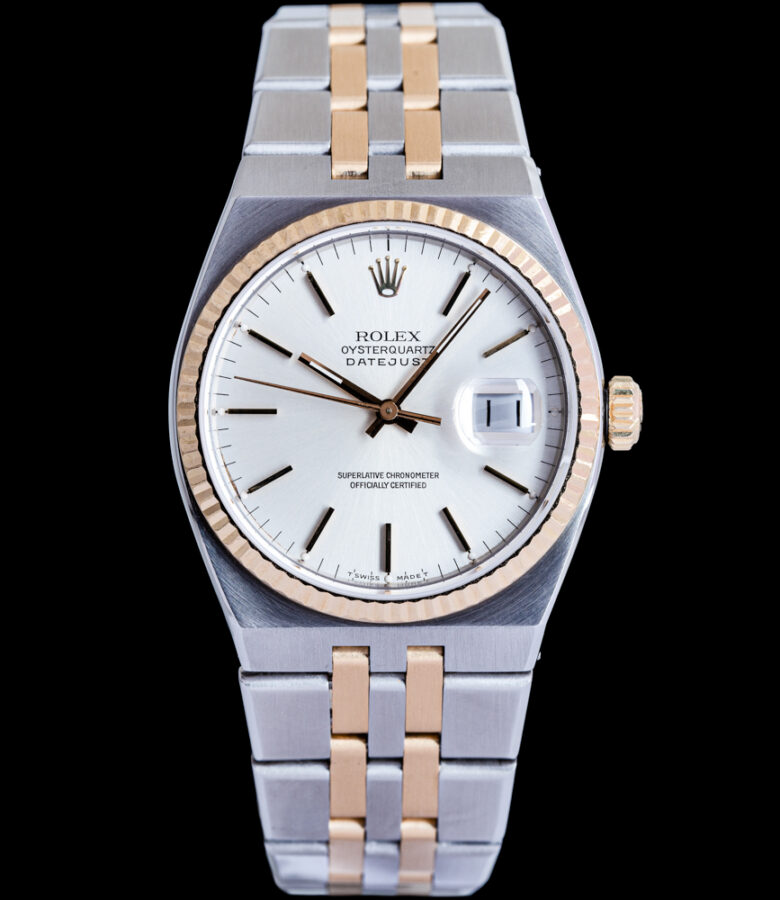
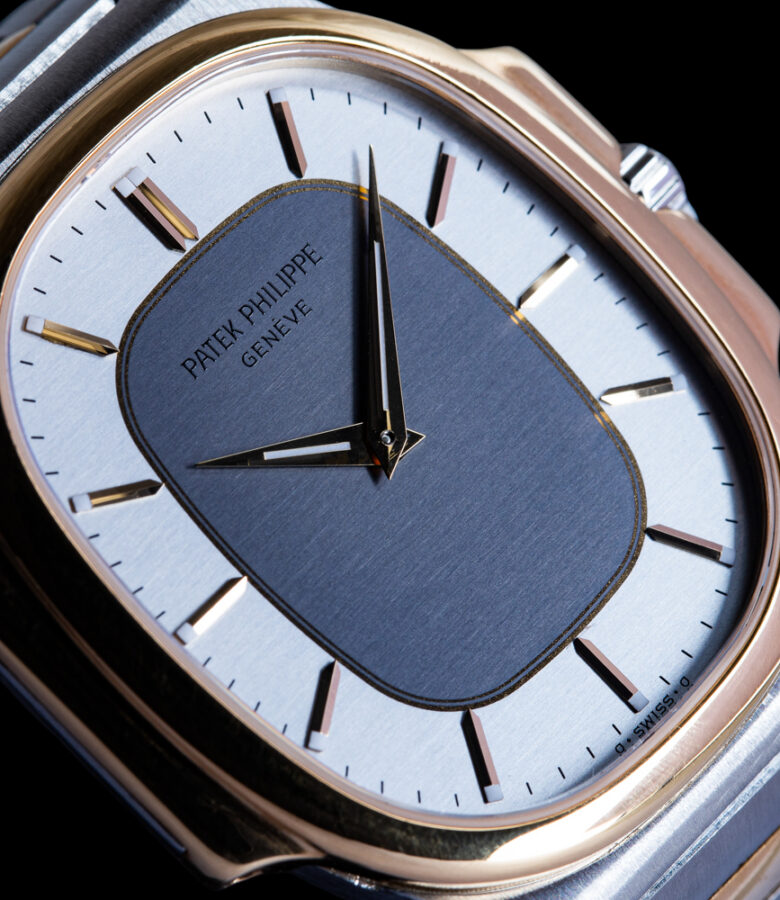
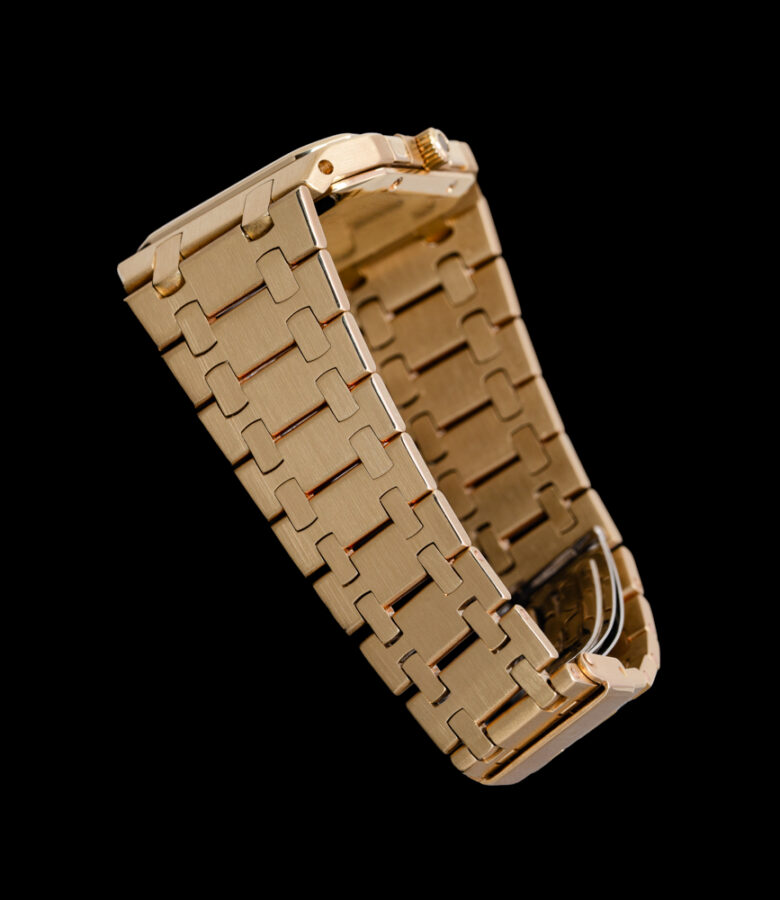
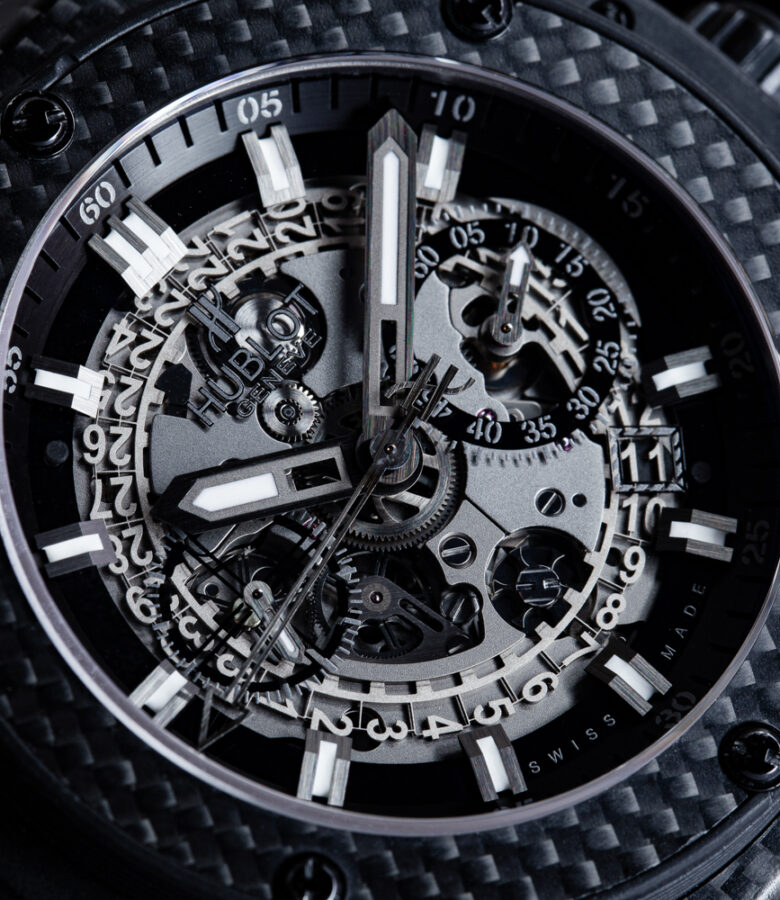
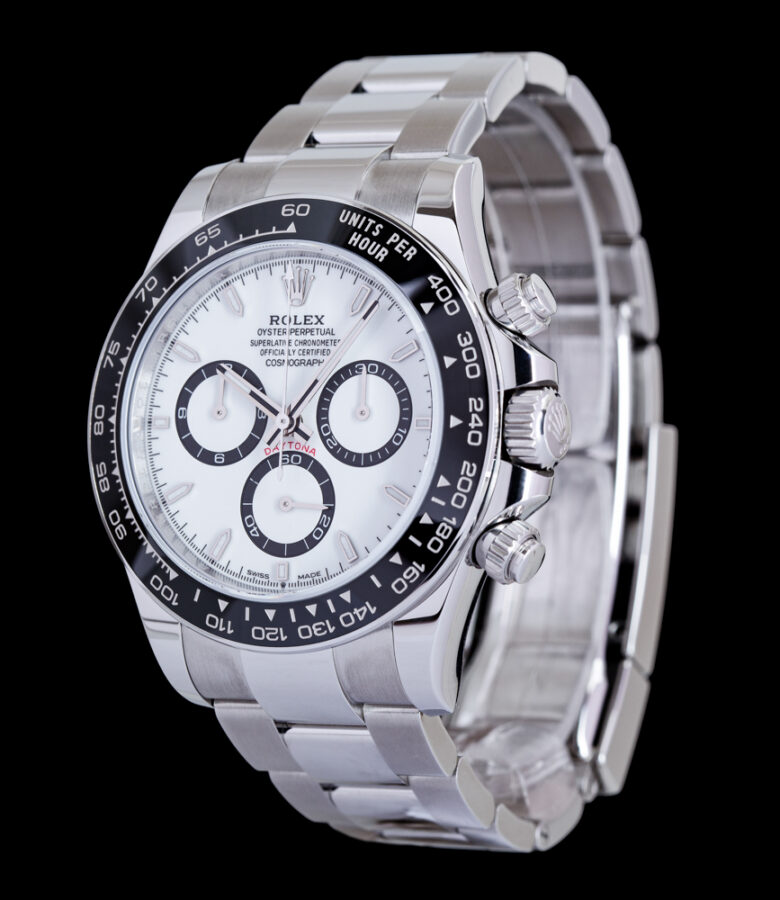
Every week, we photograph watches for Timelounge. Not watch models — specific watches. This one. With this scratch. With this exact patina that tells you it was worn, loved, maybe forgotten in a drawer for a decade.
Timelounge sells vintage and pre-owned watches, and the buyer needs to know exactly what they’re getting. Not what the reference looks like. What this piece looks like.
No filter. No retouching away the imperfections. You could even say: the imperfections are the product.
In a world where AI can generate a flawless image of any watch in any setting in seconds — this is the work that AI cannot do. Because AI generates perfect images, and sometimes perfect is simply not what your brand needs.
AI is genuinely useful for the repetitive, mechanical parts — generating variations, batch-testing options, extending a background behind a real product shot — or as a quick spark to react to. But the idea itself, the concept, the direction: that still has to come from a person. AI can execute and accelerate, but it doesn't originate. The moment content needs to represent something specific and real — a product someone is about to buy, a person someone is about to trust, a place someone is about to visit — AI falls short on its own. People feel the difference between generated and real, even when they can't name it. Authenticity isn't just a style element. It's a signal — of trust, and of appreciation for what's actually made by a human hand.
Often because they look too perfect. Overly retouched images, generic stock-style photography, or AI-generated content all create a subconscious distance. Trust is built through specificity — the exact product, a real face, the actual space. The more your visuals reflect reality, the more your audience believes you. And if your generated content is so convincing it fools everyone — that's exactly the word for how they'll feel once they find out. Fooled.
Ask yourself: could these images belong to any other brand in your category? If yes, they're probably not building trust — they're just filling up space. Visuals that convert are specific, consistent, and honest about what you're selling. Or at least very, very bold or very, very surprising.
It depends entirely on what the image needs to do. If it needs to communicate trust, premium quality, or a specific product — professional direction matters. If it's a casual behind-the-scenes moment — your phone is fine. The mistake most brands make is using phone-quality images where trust-building images are needed, and over-producing content that should feel spontaneous.