




Why does luxury work for some brands?
Client: Difference Coffee
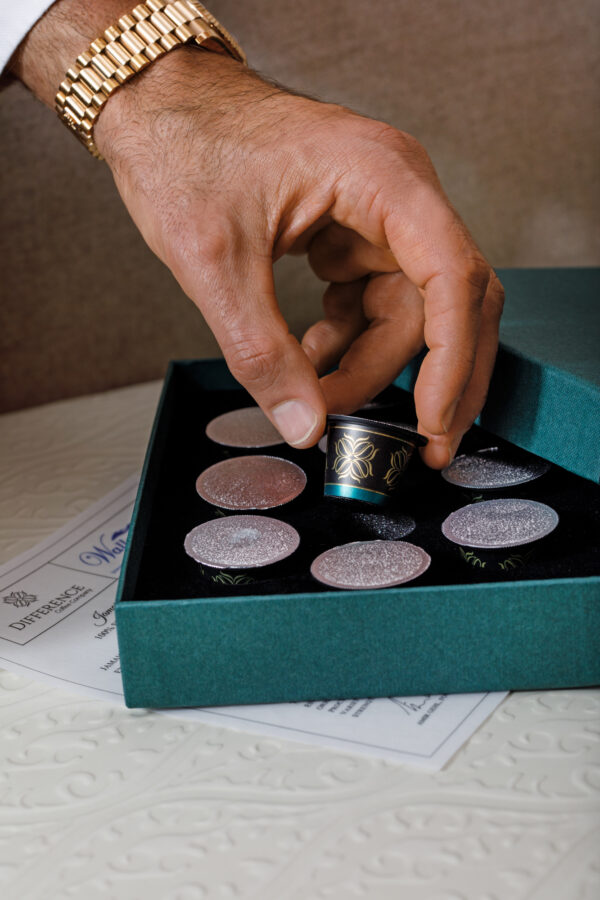
This coffee brand sources some of the rarest coffees in the world and sells them to people who treat coffee the way others treat wine. The product is extraordinary. But extraordinary products don’t sell themselves — especially not at a certain price point.
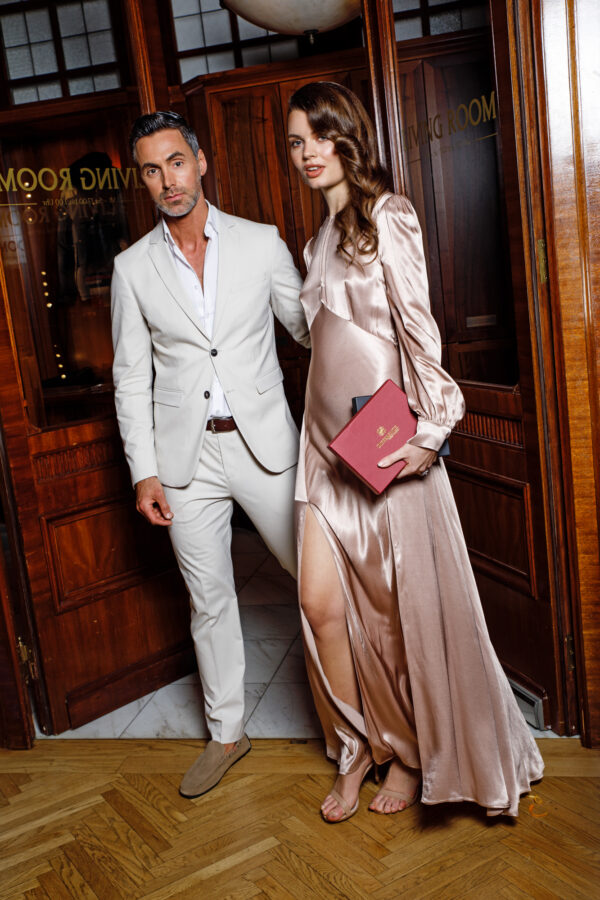
What does sell is the feeling. That kind of quiet luxury that is worth paying for. Coffee as ritual. Coffee as taste. Coffee as identity. People buy it not only for the taste but because of who they are when they drink it.
The visual job isn’t to invent a world. It’s to show the one that already exists — clearly enough that the right person recognises themselves in it.
And once that core identity is established, aspirational customers follow. This is the logic behind what’s being called “little treat culture” — in a time when the big rewards feel out of reach, people find ways to give themselves something special in smaller doses. Not the trip to Hawaii, but the extraordinary coffee. Not the dress, but the lipstick from the same high-end brand. The smartest luxury brands have always known this: an entry-level product isn’t a compromise. It’s a symbol of the life these customers are wishing for.
Usually one of three reasons. First: the content is about the product, not about the person looking at it. Second: it looks like everyone else in your category — same angles, same lighting, same mood. Third: there's no consistent visual thread connecting post to post, so nothing accumulates into recognition. Performance is rarely a distribution problem. It's almost always a relevance problem. The content isn't giving people a reason to stop, feel something, and remember you.
Stop leading with the product. Lead with the world around it. What does your customer's life look like when they're using what you make? That world — the light, the setting, the mood, the other objects nearby — communicates more about quality than any close-up of the product itself.
Because the content is about you, not about them. The most engaging content makes the viewer feel something about themselves — recognised, inspired, seen, challenged. If your posts are mostly showing your product or announcing your offer, they're missing the emotional layer that makes people stop scrolling.
Often because the previous shoot didn't have a strong enough concept to stretch across multiple uses. One strong creative idea — one world, one feeling, one visual decision — can generate content for months. The problem isn't volume. It's strategy.
The right question is not how much, but what for. A single well-directed shoot with a clear concept will always outperform five rushed shoots with no direction. Budget is less important than intention.